The Critical Bottleneck: Legacy Systems Reach Their Limits
Despite the obvious need for innovation, many Swiss utilities face a fundamental problem — outdated billing and customer infrastructures.
These systems were built for an era defined by annual meter readings, manual processes, and fixed tariffs. They are overwhelmed by the requirements of smart meter data, dynamic pricing, energy communities, and real-time interaction. The challenge goes beyond technology — it demands a complete redesign of business processes.
Traditional billing models rely on clear meter readings and standard tariffs, using manual workflows: manual data entry, paper billing, and siloed systems. Such inefficiencies cause errors, delay responses, and prevent the real-time communication that modern energy management requires.
Modern services, by contrast, depend on continuous data processing, advanced algorithms for consumption allocation, and complex tariff structures that distinguish between community-generated and grid-supplied energy — while integrating market prices transparently for customers.
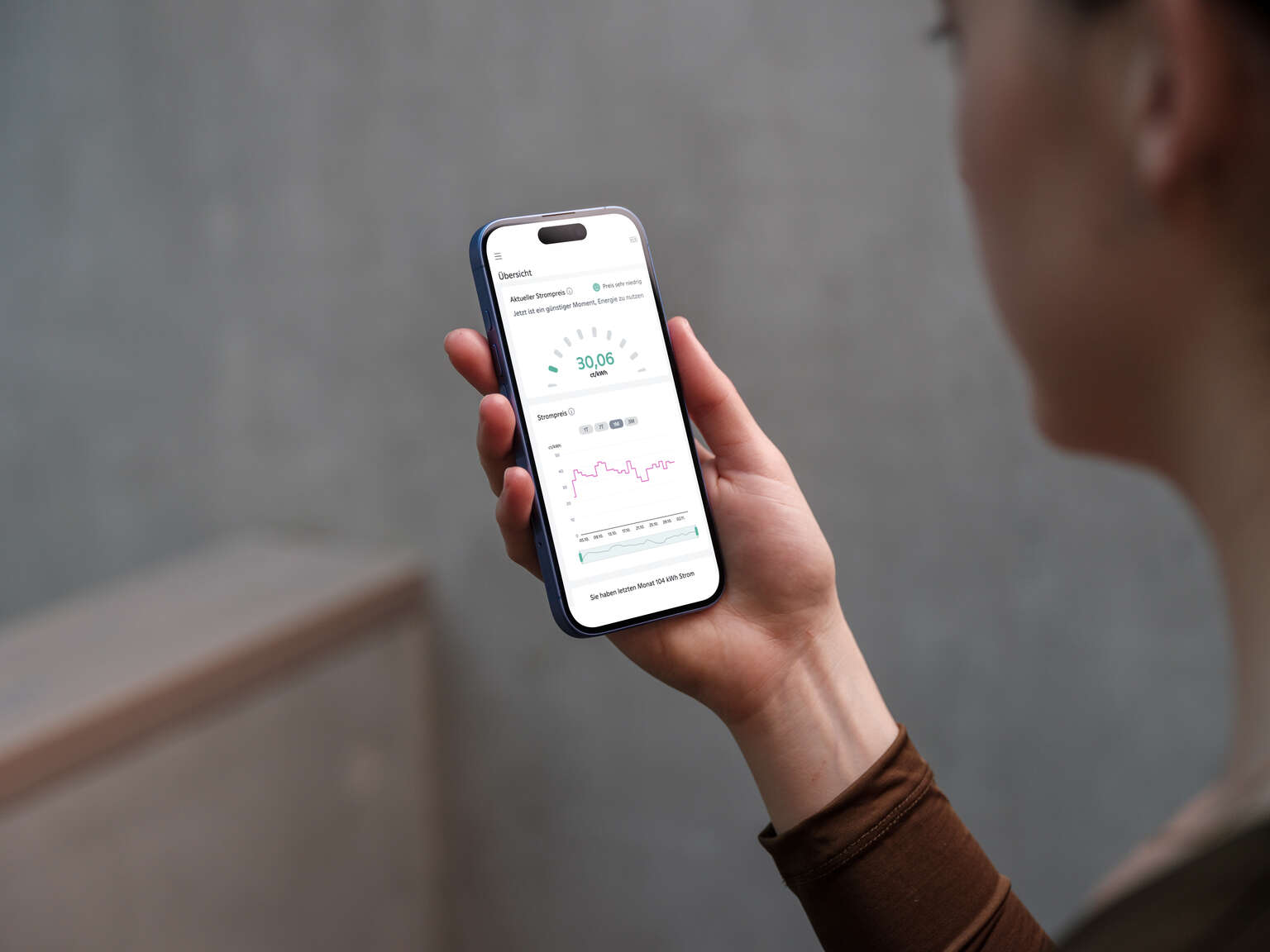
The consequences of delayed or insufficient modernization are severe — and dangerous in a competitive market. Consumers now expect mobile apps with real-time data, web portals for active energy management, and transparent billing for complex tariffs. Providers with fragmented IT infrastructure simply cannot meet these demands and risk falling behind.
The Path to Modernization: Strategic Solutions
Our work with utilities in Switzerland, Austria, Germany, and other European countries shows what drives successful modernization — both for short-term compliance and long-term competitiveness.
At the core is an integrated platform architecture: end-to-end systems that unify metering, pricing, billing, and customer interaction through standardized interfaces, while integrating with ERP systems. This minimizes disruption and enables scalable capability growth.
Equally essential are dynamic pricing engines that allocate consumption within communities, respond to market fluctuations in real time, and maintain transparency and regulatory compliance.
Customer experience must not be treated as an add-on — it is a core part of the offering. User-friendly portals and mobile applications must provide full transparency on consumption, LEC participation, and self-service functions — matching the best digital experiences available.
Scalable implementation ensures that modernization can happen step by step, without interrupting operations. This allows utilities to meet regulatory requirements while developing value-added services that drive revenue and secure market share.
A Call to Action: Shaping Switzerland’s Energy Future
At this historic turning point, success will belong to those who modernize their billing systems, customer interactions, and operational capabilities to align with the new energy landscape.
The transformation is already underway. Market leaders are investing in cutting-edge technology, creating new customer experiences, and laying the groundwork for the competitive environment of tomorrow. The question is not whether the change is coming — but whether your organization will shape it or react to it.
Switzerland now has the opportunity to leap efficiently into a modern energy era. With a clear strategy, strong technology partnerships, and a commitment to innovation, the sector can deliver the sustainability, resilience, and customer experience the market will demand.
The energy transition is already reality — and market leadership will go to those who seize this moment with vision, determination, and decisive execution.
The future of Swiss energy will be written by those ready to shape it today.