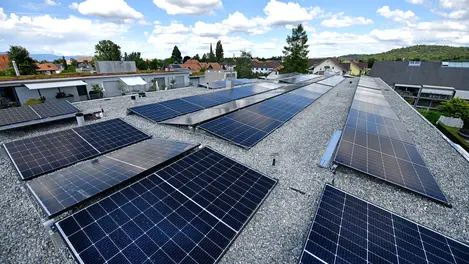
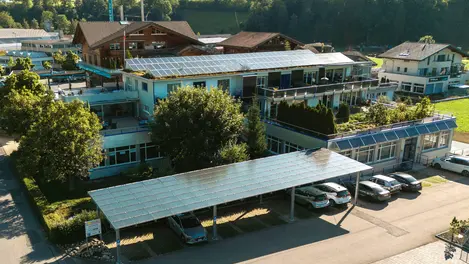
The energy transition is fundamentally changing how the electricity system operates. In many countries — including Switzerland — the expansion of variable renewable energy sources such as photovoltaics (PV) and wind, as well as the electrification of heat, mobility, and industry, is leading to more volatile electricity supply and more complex consumption patterns. This introduces new challenges to conventional control scheme in power systems for maintaining system balance and rises the need for more flexibility to prevent grid instability. Flexibility is therefore a central mechanism to make the energy transition technically feasible and economically viable.
The need of flexibility at different levels and timescales
Flexibility in the energy system refers to the ability of energy assets, such as power plants, grid infrastructure, or consumer devices, to adjust their electricity production or consumption over time in response to changing system needs. Flexibility is required at multiple levels, each with its own specific requirements, challenges, and opportunities.
- System level: This concerns the overall balance of generation and consumption across larger regions, such as the entire country. As the share of renewable energy sources increases, so does the need for flexibility , such as frequency regulation, and seasonal balancing mechanisms, to reliably compensate for short-term peaks and longer periods of low generation [1].
- Distribution grid level: Local bottlenecks and voltage fluctuations may arise due to strong power injections to the distribution grid (e.g., PV in residential areas) as well as strong power consumption such as peaks from electric mobility. Flexibility in the form of targeted load shifting and intelligent control of injections can help reduce grid congestion and make grid expansion more efficient [2].
- Asset or consumer level: Households, commercial buildings, or industrial facilities have controllable devices such as heat pumps, battery storage, or EV charging infrastructure. These can be actively managed for purposes such as self-consumption optimization, peak shaving, or even participation in flexibility markets.